Nyerere National Park · Southern Tanzania
Wildlife, birds and photographic opportunities along the Rufiji River
Nyerere National Park is one of Tanzania's most fascinating destinations for wildlife photography.
Unlike drier parks dominated by open savannah, Nyerere is strongly influenced by water:
the Rufiji River, its channels, sandy banks, lakes, wetlands and riverine vegetation create
a remarkably rich environment for mammals, reptiles, birds and landscape photography.
This page presents some of the most representative animals that may be observed during a safari in Nyerere,
together with an indicative estimate of the sighting probability for the main species. These percentages are not guarantees:
wildlife remains wild, and every game drive depends on the season, water levels, light, time spent in the field,
local conditions and luck.
From a photographic perspective, Nyerere is particularly rewarding because it offers images that differ from those
of a classic savannah safari: hippos in the water, crocodiles on the banks, elephants near the river, African fish eagles,
kingfishers, waterbirds, reflections, backlighting and environmental scenes along the Rufiji River.
Why Nyerere is special for African wildlife
Nyerere is a park where water plays a central role in the experience. The Rufiji River is far more than a backdrop:
it influences animal movements, wildlife concentrations, behaviour, birdlife and photographic opportunities.
For this reason, a safari in Nyerere offers an especially rewarding balance of game drives, river landscapes,
wildlife along the banks and water-based photographic opportunities.
Water, reflections and behaviour
Hippos, crocodiles, elephants, waterbirds and predators can create scenes that are very different from those of the classic savannah.
Large mammals and predators
Elephants, buffaloes, lions, leopards, giraffes, zebras, impala, African wild dogs and hyenas are important safari subjects.
Birds and river photography
African fish eagles, kingfishers, lilac-breasted rollers, bateleurs and other birds add variety and photographic rhythm.
The Big Five in Nyerere National Park
Nyerere is often associated with Africa's iconic large wildlife. For clarity, this section considers
the Big Five separately: lions, elephants, buffaloes, leopards and black rhinoceros. The first four can be regarded
as important wildlife subjects within the park; the black rhinoceros, however, should not be presented as a realistic
sighting during a standard photographic safari itinerary.
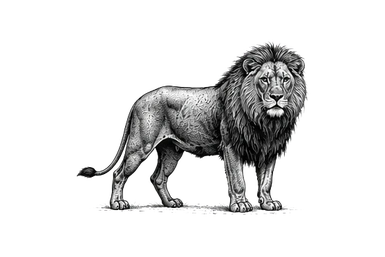
Big Five · Predators
Lions
Lions are among Nyerere's most sought-after large predators. They may be photographed on the savannah,
beside the tracks, in open areas or near places where herbivores gather.
Probability: > 70%
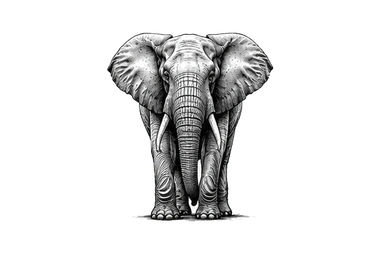
Big Five · Large mammals
Elephants
Elephants are among Nyerere's most important photographic subjects, particularly when they move near the river,
cross open areas or become part of landscapes shaped by water, sand and riverine vegetation.
Probability: > 85%
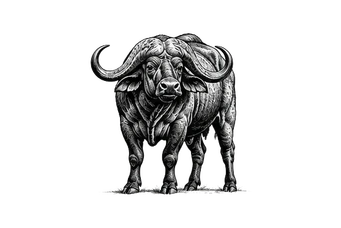
Big Five · Large herbivores
Buffaloes
Buffaloes are powerful and important subjects for portraying Nyerere's large wildlife. They can provide
intense portraits, large group scenes and environmental photographs in open areas or near water.
Probability: > 75%
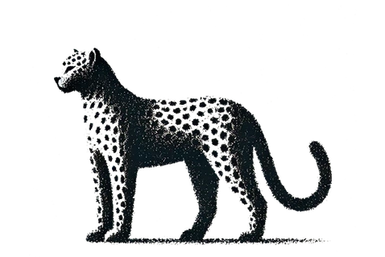
Big Five · Elusive predators
Leopards
Leopards are present but more elusive. With some luck, they may be photographed in Nyerere, particularly in areas
with vegetation, trees and quieter surroundings, where observation requires patience.
Probability: > 40%
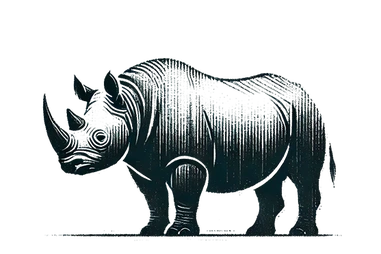
Big Five · Not a realistic safari sighting
Black Rhinoceros
The black rhinoceros is included for completeness within the Big Five section, but it should not be considered
a realistic photographic subject during a standard safari in Nyerere National Park.
Probability: 0%
Predators and carnivores of Nyerere
Nyerere is particularly rewarding for predators because it combines open areas, vegetation, waterways
and a wide variety of prey. Some encounters are relatively frequent while others are more unpredictable,
but all have considerable photographic value.
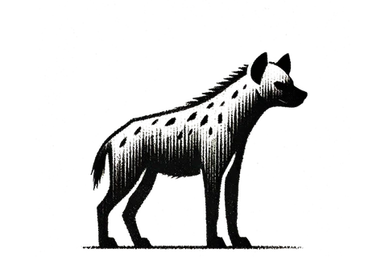
Predators and scavengers
Hyenas
Hyenas are important subjects for documenting behaviour, competition and life on the savannah. They may be
photographed on the move, during the early hours of the day or while interacting with other predators.
Probability: > 50%
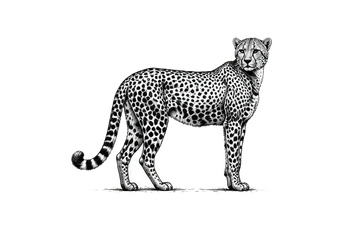
Predators
Cheetahs
Cheetahs are not among Nyerere's most reliable wildlife subjects. They may be encountered in some open areas,
but they should not be considered one of the principal species around which to build expectations for the safari.
Probability: > 10%
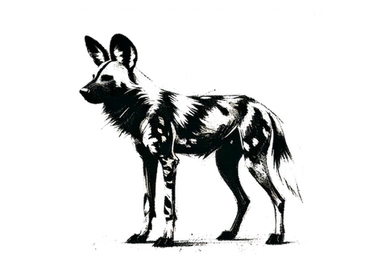
Rare predators
African Wild Dogs
African wild dogs are among Nyerere's most exciting potential encounters. When sightings occur, they can provide
dynamic photography, fascinating social behaviour, movement and scenes of remarkable intensity.
Probability: > 30%
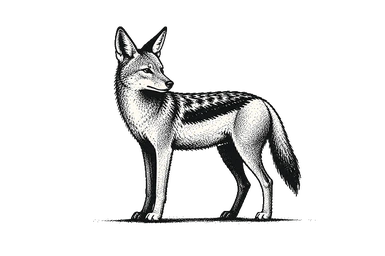
Smaller carnivores
Jackals
Jackals are small but engaging subjects for scenes of movement, alertness, behaviour
and interaction with other animals. They add variety to the photographic story.
Probability: variable
Herbivores and large mammals of Nyerere
Herbivores are essential for photographing Nyerere as a complete ecosystem. Giraffes, zebras, impala, wildebeest,
antelopes and waterbuck provide environmental images and illustrate the relationship between open areas,
vegetation and water.
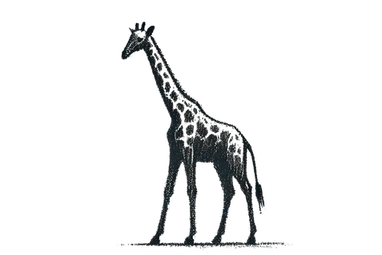
Large herbivores
Giraffes
Giraffes are elegant subjects that work especially well in environmental compositions. In Nyerere,
they offer opportunities to work with vertical lines, vegetation, light and more open landscapes.
Probability: > 80%
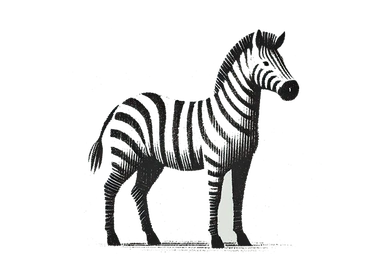
Herbivores
Zebras
Zebras offer strong graphic opportunities through their stripes, repetition and contrast. They are ideal for
group photographs, movement and clean compositions.
Probability: > 50%
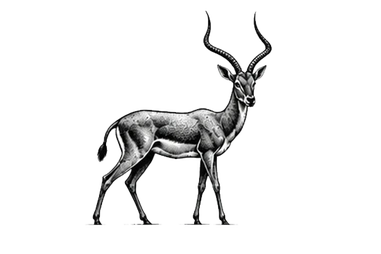
Antelopes
Impala
Impala are important subjects for portraying the savannah and the relationship between predator and prey.
They are elegant, dynamic and particularly rewarding in behavioural scenes.
Probability: > 60%
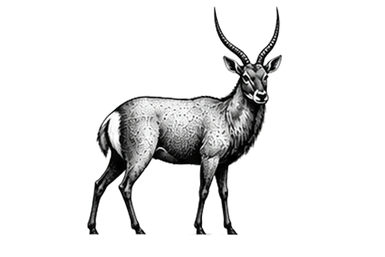
Antelopes and wetlands
Waterbuck
Waterbuck are especially characteristic of a park influenced by water. They are rewarding subjects for photographs
beside rivers and lakes and within green or wetter areas.
Probability: > 50%
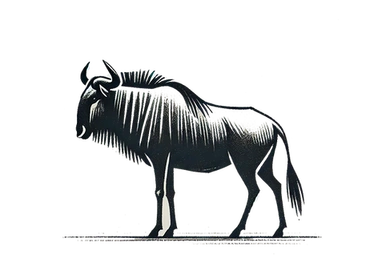
Herbivores
Wildebeest
Wildebeest add movement and context to open areas. They help illustrate the presence of herbivores
and the dynamics of Nyerere's savannah.
Probability: > 40%
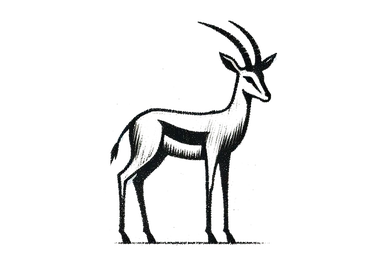
Antelopes
Gazelles
Gazelles are graceful and elegant subjects. They work well in clean images, alert behavioural scenes,
movement and photographs with soft backgrounds.
Probability: > 40%
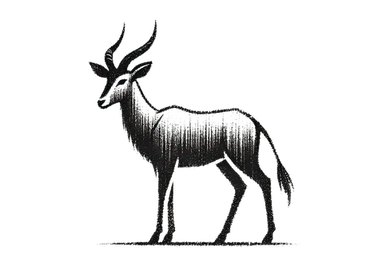
Antelopes
Antelopes
Several species of antelope may be observed in Nyerere. They are important subjects for environmental images,
behavioural scenes and more descriptive wildlife photography.
Probability: variable
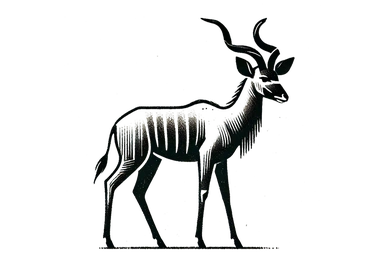
Antelopes
Kudu
Kudu are elegant and discreet subjects, often associated with vegetation and less open areas. They are
particularly rewarding in environmental images and refined compositions.
Probability: variable
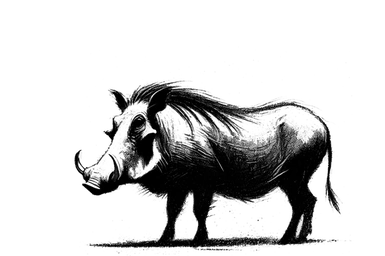
Herbivores
Warthogs
Warthogs are expressive subjects with considerable storytelling potential. They can provide dynamic images,
family scenes and lighter moments during the safari.
Probability: variable
Wildlife associated with the Rufiji River, its channels and water
Water is Nyerere's defining photographic feature. Hippos, crocodiles, waterbirds and animals approaching
the riverbanks make the Rufiji River one of the safari's most important elements.
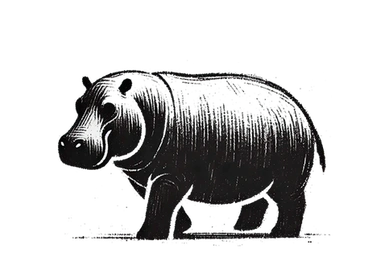
Aquatic wildlife
Hippos
Hippos are among Nyerere's most characteristic wildlife subjects. They may be photographed in the water,
in groups, during interactions, yawning, moving and as part of the wider river landscape.
Probability: > 95%
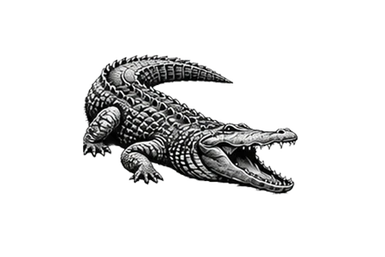
Reptiles and waterways
Nile Crocodiles
Nile crocodiles are highly characteristic of Nyerere and the Rufiji River. They are rewarding subjects for images
conveying tension, detail and behaviour, as well as for compositions along riverbanks and sandbars.
Probability: > 90%
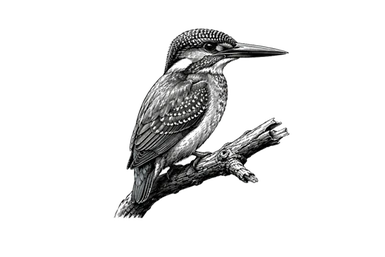
Water-associated birds
Kingfishers
Kingfishers are small but extremely photogenic river subjects. During quieter moments they offer opportunities
to photograph perching, detail, colour and behaviour and to create more intimate images.
Probability: > 50%
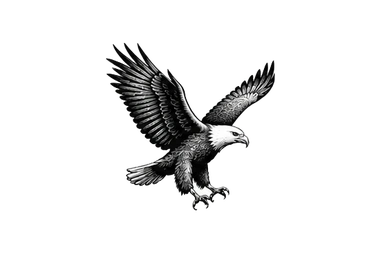
Raptors and water
African Fish Eagles
The African fish eagle is one of the great photographic symbols of Africa's river environments. It is ideal
for perched portraits, flight photographs, silhouettes, calling behaviour and landscapes along the Rufiji.
Probability: > 50%
Primates and smaller wildlife of Nyerere
Less iconic animals also have considerable photographic value. Primates, warthogs, jackals and smaller subjects
help document behaviour, movement, social relationships and spontaneous moments during the safari.
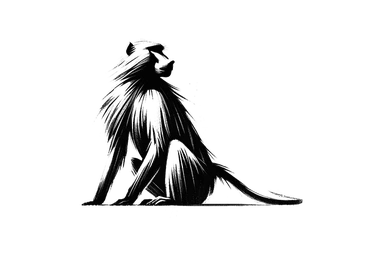
Primates
Baboons
Baboons are highly expressive subjects with considerable storytelling potential. They can provide family scenes,
social interactions, movement and photographs with a strong behavioural dimension.
Probability: variable
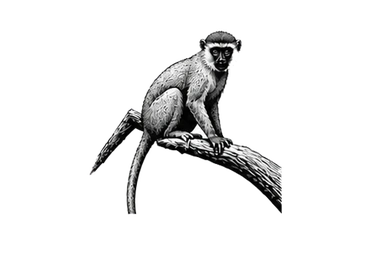
Primates
Vervet Monkeys
Vervet monkeys are lively and expressive small primates. They are engaging subjects for photographs of behaviour,
gestures, social interactions and more intimate scenes.
Probability: variable
Birds, raptors and birdlife in Nyerere National Park
Birds are one of Nyerere's great strengths. The Rufiji River, channels, lakes and wetlands create
fascinating habitats for raptors, kingfishers, waterbirds and savannah species.
For photographers, this birdlife provides opportunities to work with light, posture, movement, reflections and behaviour.
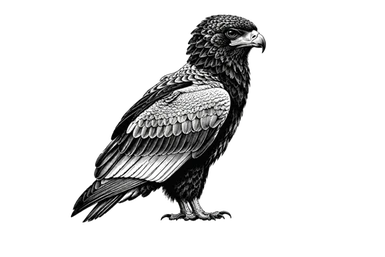
Raptors
Bateleurs
The bateleur is one of the African savannah's most elegant raptors. It is especially rewarding in flight,
on exposed perches or while soaring above open areas and mixed habitats.
Probability: variable
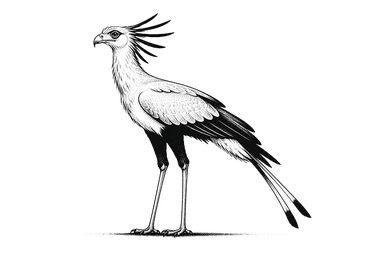
Savannah birds
Secretary Birds
The secretary bird is an iconic bird of the savannah. Its posture, long legs
and ground-based behaviour make it an instantly recognisable photographic subject.
Probability: variable
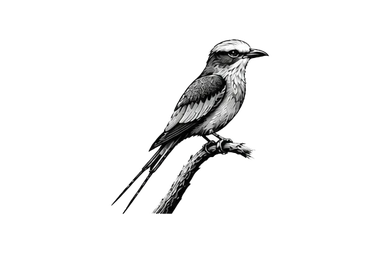
Colourful birds
Lilac-Breasted Rollers
The lilac-breasted roller is one of the savannah's most photogenic birds. Its habit of perching on exposed branches
and making short flights makes it an excellent subject for practising composition and working with backgrounds.
Probability: variable
To make this section even stronger, dedicated images of African skimmers, bee-eaters, hornbills,
Pel's fishing owls and other birds associated with the Rufiji River could be added in the future.
Wildlife sighting probabilities during a safari in Nyerere
The probabilities below are indicative and are intended to provide a realistic idea of which subjects are
generally more reliable and which require greater patience. In Nyerere, species associated with water are often
among the safari's most characteristic wildlife subjects.
Hippos> 95%
Nile Crocodiles> 90%
Elephants> 85%
Giraffes> 80%
Buffaloes> 75%
Lions> 70%
Impala> 60%
Zebras> 50%
Waterbuck> 50%
Hyenas> 50%
Kingfishers> 50%
African Fish Eagles> 50%
Leopards> 40%
Wildebeest> 40%
Gazelles> 40%
African Wild Dogs> 30%
Cheetahs> 10%
Black Rhinoceros0%
JackalsVariable
KuduVariable
AntelopesVariable
WarthogsVariable
BaboonsVariable
Vervet MonkeysVariable
BateleursVariable
Secretary BirdsVariable
Lilac-Breasted RollersVariable
Nyerere from a photographer's perspective
Photographing in Nyerere means working with water, light, reflections and behaviour. Unlike other parks
dominated by dry savannah, here the river frequently becomes part of the composition: hippos, crocodiles,
waterbirds, elephants on the banks and river landscapes become essential parts of the visual story.
For this reason, a photographic safari in Nyerere requires attention not only to the subject, but also to the background,
the direction of the light, reflections on the water, the lines of the riverbanks and the opportunity to alternate
between close-up images, environmental scenes and more contemplative photography.
Photographic safaris and resources connected with Nyerere National Park
Would you like to photograph Nyerere's wildlife along the Rufiji River?
Nyerere is an ideal destination for photographers seeking a different kind of safari, where water, reflections,
hippos, crocodiles, elephants, birds and expansive river landscapes become central to the experience.