

Big Five · Predators
Lions
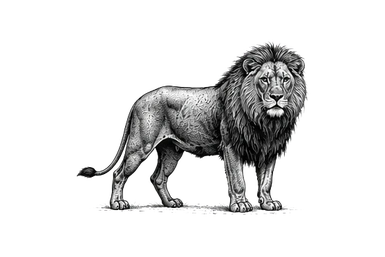
Lions are among Ruaha's great wildlife protagonists. They may be photographed in rocky areas, open savannah, beneath trees and along seasonal riverbeds.
Probability: > 90%Ruaha National Park · Southern Tanzania
Ruaha National Park is one of Tanzania's most rewarding areas for wildlife photography. Baobabs, seasonal riverbeds, rocky hills, dry savannah and vast open spaces create an ideal environment for photographing African wildlife, predators, elephants, giraffes, antelopes, zebras, warthogs, crocodiles and numerous bird species.
This page presents some of the most representative animals that may be observed during a safari in Ruaha, together with an indicative estimate of sighting probability for the main species. These percentages are not guarantees: wildlife remains wild, and every game drive depends on the season, light, time spent in the field, local conditions and luck.
From a photographic perspective, Ruaha is particularly rewarding because it combines iconic wildlife with powerful landscapes: lions among the rocks, elephants in the dust, giraffes among baobabs, kudu in the vegetation, raptors in flight, kingfishers around water and animals moving along seasonal rivers and open areas.
Ruaha offers a particularly strong combination for photographers: large mammals, predators, dry landscapes, baobabs, intense light and a more remote wilderness atmosphere than many of Tanzania's more frequently visited areas. It is not simply a destination for seeing animals, but a park where wildlife becomes part of the landscape.
Ruaha is often associated with large predators, elephants and buffaloes. For clarity, this section considers the Big Five separately: lions, elephants, buffaloes, leopards and black rhinoceros. The black rhinoceros is included for completeness within the Big Five, but it should not be considered a realistic subject during a photographic safari in Ruaha.
Lions are among Ruaha's great wildlife protagonists. They may be photographed in rocky areas, open savannah, beneath trees and along seasonal riverbeds.
Probability: > 90%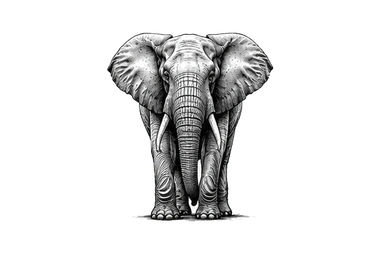
Elephants are among the most important photographic subjects in Ruaha. Their presence can create powerful images, often framed by dust, baobabs, warm light and dry landscapes.
Probability: > 95%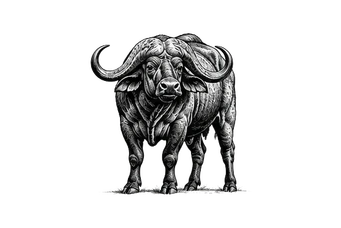
Buffaloes are powerful subjects, particularly when moving in groups or standing in open areas. They are excellent for strong portraits and behavioural scenes.
Probability: > 80%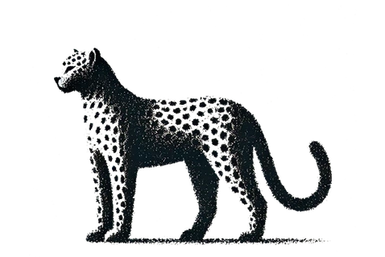
Leopards are more elusive, but they represent one of the most exciting wildlife encounters. In Ruaha they can produce particularly powerful images, especially when photographed within rocky landscapes or among trees.
Probability: > 70%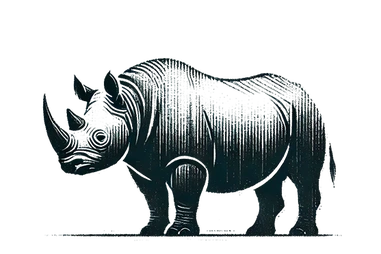
The black rhinoceros is included for completeness within the Big Five section, but it should not be considered a realistic photographic subject during a safari in Ruaha National Park.
Probability: 0%Beyond the Big Five, Ruaha can offer interesting encounters with other predators and carnivores. Some are relatively common while others are far more unpredictable, but all contribute to telling the story of African wildlife behaviour.
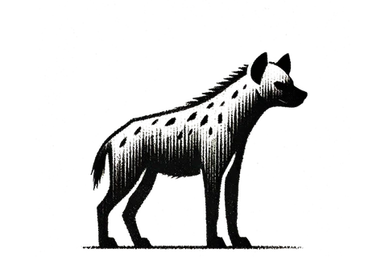
Hyenas are important subjects for documenting African wildlife behaviour. They may be photographed while moving, around carcasses or interacting with other predators.
Probability: > 50%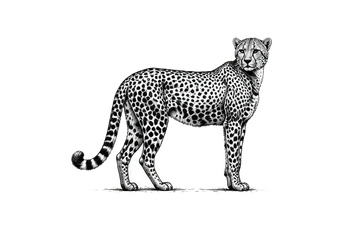
Cheetahs are possible but should not be considered among Ruaha's most reliable sightings. Photographing one requires favourable conditions, time in the field and a good measure of luck.
Probability: > 10%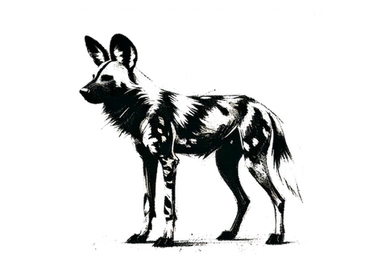
African wild dogs are among the most sought-after and unpredictable encounters. When sightings occur, they can provide dynamic photography, fascinating social behaviour and scenes of great intensity.
Probability: > 20%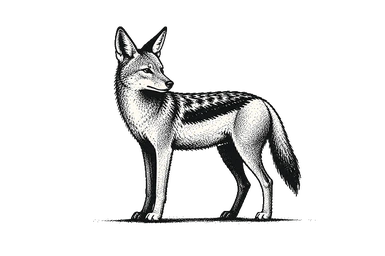
Jackals are interesting subjects for scenes of behaviour, movement and interaction with other animals. They can add dynamism and variety to the photographic story of a safari.
Probability: variableHerbivores are essential for photographing Ruaha as a complete ecosystem. They are not merely secondary subjects: they allow photographers to create environmental images, show ecological relationships and incorporate baobabs, dust, light and landscape depth into the composition.
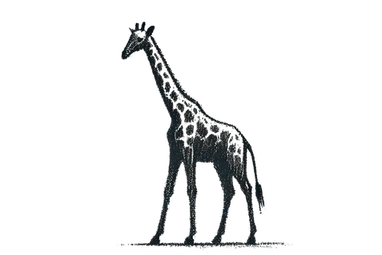
Giraffes are among Ruaha's most reliable and photogenic subjects. Their vertical lines, slow movement and relationship with the trees allow for particularly elegant compositions.
Probability: 100%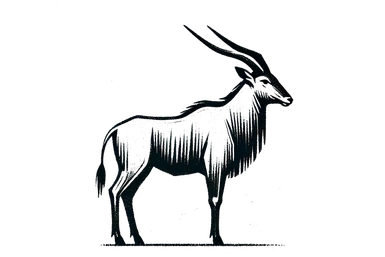
The eland is a large, elegant and imposing antelope. It is particularly interesting in environmental compositions, where its size, posture and surrounding landscape all become part of the photograph.
Probability: > 60%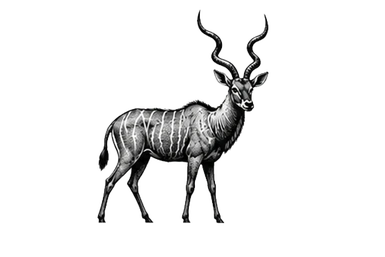
The greater kudu is one of Ruaha's most elegant herbivores to photograph. The large spiral horns of the males, their posture and their presence within the vegetation can create powerful and highly graphic images.
Probability: variable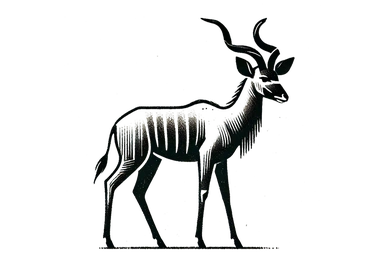
Kudu are particularly interesting when they emerge from the vegetation or pause among trees, shrubs and shaded areas. They are ideal subjects for elegant environmental photographs.
Probability: variable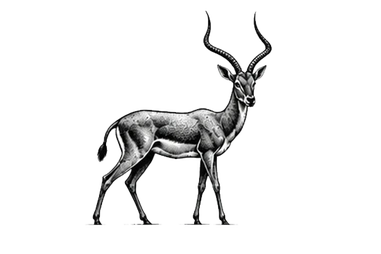
Impala are among the most important antelopes for telling the story of the savannah. They are elegant, dynamic subjects and frequently play an important role in behavioural and predator-prey scenes.
Probability: variable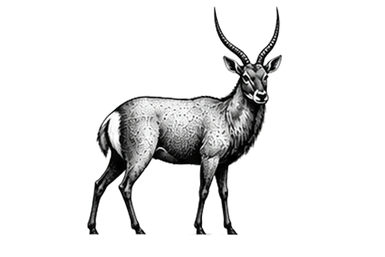
Waterbuck are associated with wetter areas and waterways. They are particularly interesting for environmental photographs, especially when moving through vegetation, seasonal rivers and greener areas.
Probability: variable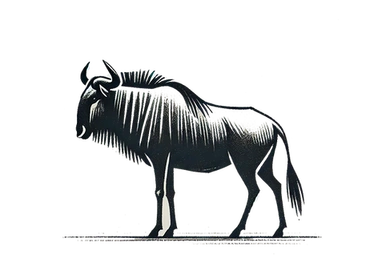
Wildebeest add movement, rhythm and context to the savannah. In Ruaha they are useful subjects for environmental images and for showing the presence of herbivores across the open landscape.
Probability: > 50%
Gazelles are elegant subjects, often ideal for light, clean and graphic images, particularly in good light and against uncluttered backgrounds.
Probability: > 50%
Several antelope species can be observed in Ruaha. They are valuable subjects for habitat compositions, behavioural scenes and more descriptive wildlife photography.
Probability: > 20%
The oryx is an elegant and highly graphic subject, but it should not be considered among Ruaha's most reliable sightings. When encountered, it can produce very clean and iconic photographs.
Probability: > 20%
Zebras provide strong graphic opportunities through their stripes, repetition and contrast. They are ideal subjects for clean compositions, moving groups and environmental scenes.
Probability: variable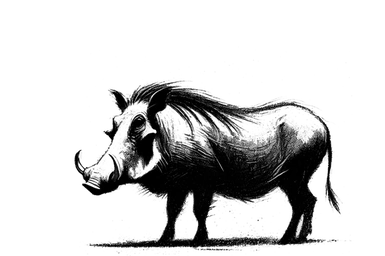
Warthogs are often underestimated as photographic subjects but can be extremely expressive. They can provide dynamic images, family scenes and photographs with a lighter, more narrative character.
Probability: variableWatercourses and seasonal riverbeds are important to Ruaha's wildlife. Even when the landscape appears dry, water influences animal movements, concentrations of wildlife and photographic opportunities.
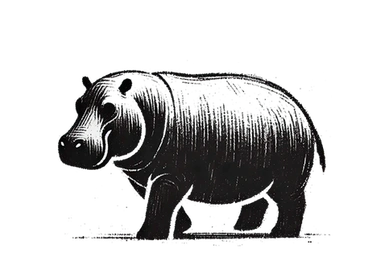
Hippos are associated with rivers and areas of permanent water. They offer different photographic opportunities: portraits, interactions, details and wider environmental scenes.
Probability: > 80%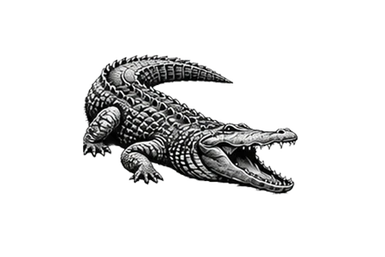
Crocodiles are associated with rivers and waterholes. They are interesting subjects for images conveying tension, detail, behaviour and compositions along riverbanks.
Probability: variable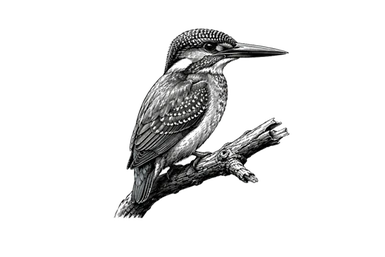
Kingfishers are small but extremely photogenic subjects. They are excellent for perched portraits, detail, colour, behaviour and environmental images around waterways and wetlands.
Probability: variableLess iconic animals can also have considerable photographic value. Primates, jackals, warthogs and other more common subjects allow photographers to document behaviour, movement, social relationships and spontaneous moments during a safari.
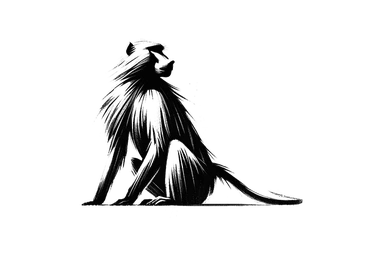
Baboons are highly expressive and narrative photographic subjects. They can provide family scenes, social interactions, movement and photographs with strong behavioural content.
Probability: variable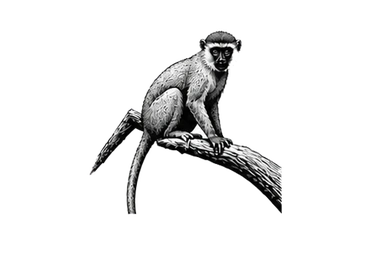
Vervet monkeys are lively and highly expressive small primates. They are interesting subjects for photographing behaviour, gestures, social interactions and more intimate moments during the safari.
Probability: variableAlthough this page focuses primarily on large mammals, Ruaha is also very rewarding for bird photography. Bateleurs, African fish eagles, secretary birds, rollers, kingfishers and savannah species can add variety, colour, elegance and movement to the photographic story of a safari.
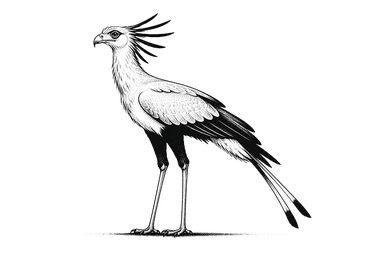
The secretary bird is one of the most elegant and recognisable birds of the African savannah. Its long legs, distinctive posture and terrestrial behaviour make it a particularly interesting photographic subject.
Probability: variable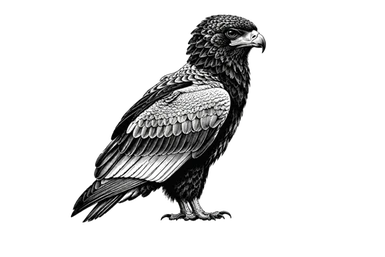
The bateleur is one of the most elegant and recognisable raptors of the African savannah. It is rewarding to photograph in flight, perched in exposed positions or soaring over open areas while searching for food.
Probability: variable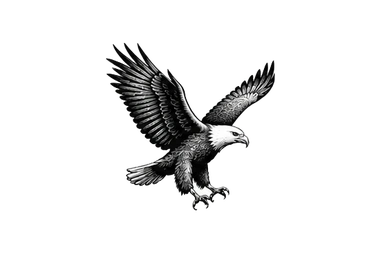
The African fish eagle is one of Africa's most iconic raptors. It is a powerful photographic subject when perched, in flight, displaying behaviour or photographed within waterside landscapes.
Probability: variable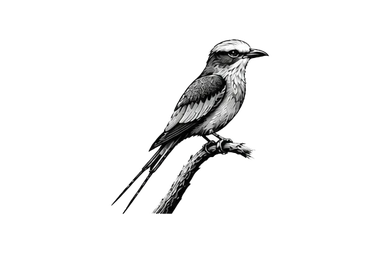
The lilac-breasted roller is one of the savannah's most photogenic birds, thanks to its colours, attractive poses and short flights from exposed perches.
Probability: variableBirds are particularly valuable photographic subjects during periods when the larger mammals are less active. They provide opportunities to work with fast shutter speeds, clean backgrounds, light, composition and behaviour.
The probabilities below are indicative estimates and follow the approach used for the principal species on the original page. Animals added without a specific percentage are shown with a variable probability.
Photographing in Ruaha means working with powerful subjects in equally powerful environments. The light can be harsh, dust can be very visible and landscapes can become extremely dry, but these elements are precisely what give images character. Ruaha is not simply a park for close-up wildlife portraits: it is a place where space, trees, lines, rocks and atmosphere should become part of the photograph.
For this reason, a photographic safari in Ruaha benefits from alternating between long telephoto lenses, wider environmental compositions and careful observation of behaviour. A lion in the shade, an elephant in the dust, a kudu within vegetation, a secretary bird crossing the savannah, a bateleur in flight or a giraffe among baobabs can become very different images when photographed at the right moment and against the right background.
Ruaha is one of Tanzania's most powerful destinations for photographers seeking authentic wildlife photography: large predators, elephants, baobabs, African light, dust, seasonal rivers and a profound sense of wilderness.